


What Is Forged Steel? Types, Properties, Advantages & Applications
Forged steel is one of the most important materials used in modern manufacturing and heavy industry. From automotive components and construction equipment to aerospace parts and industrial machinery, forged steel is valued for its exceptional strength, durability, and reliability.
What Is Forged Steel?
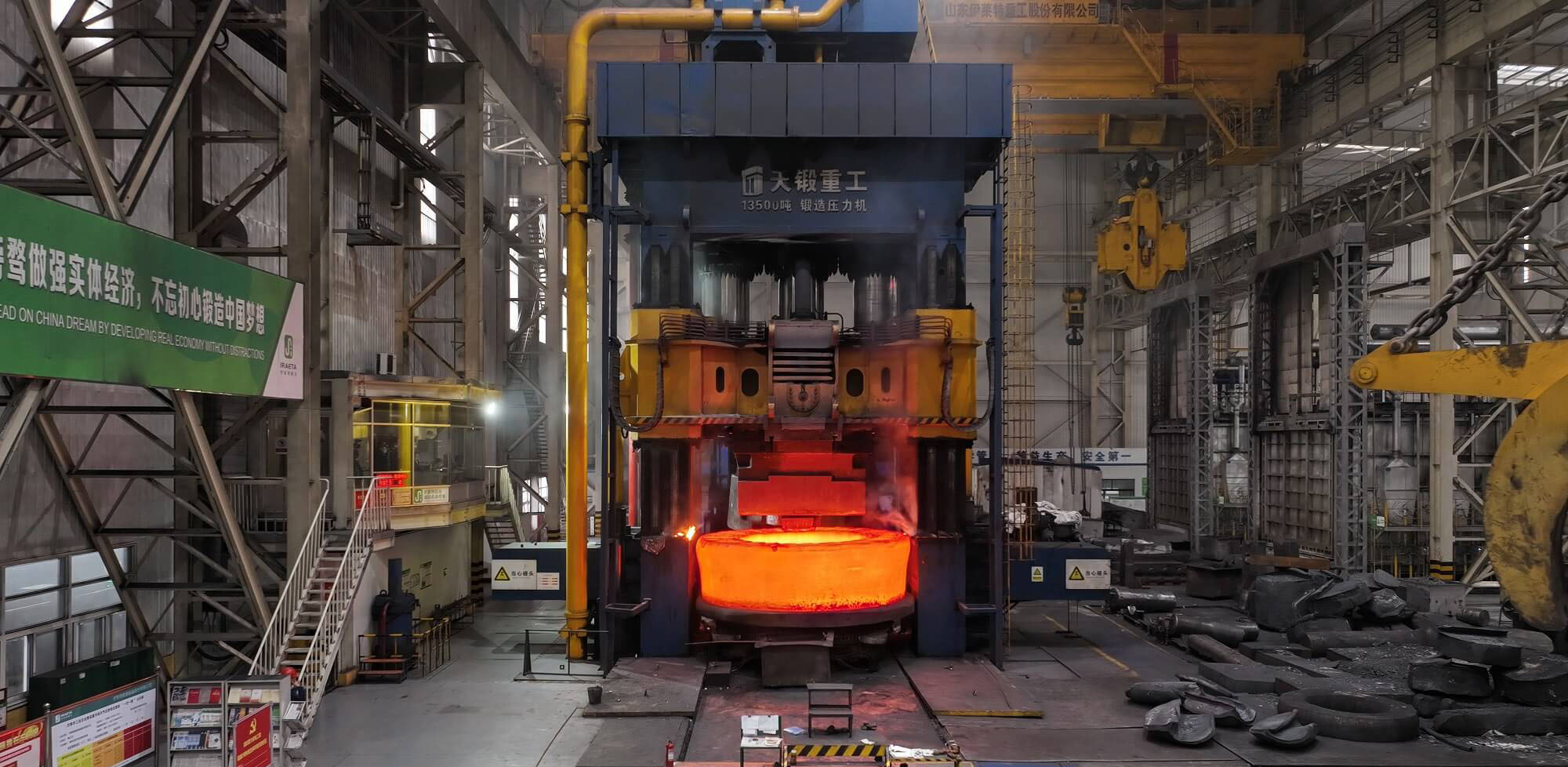
Forged steel is steel that has been shaped and strengthened through a metal forging process using compressive force, pressure, or hammering. During forging, steel is heated and mechanically deformed into a desired shape.
Unlike casting, where molten metal is poured into a mold, forging refines the internal grain structure of the metal. This produces components with:
· Higher strength
· Better toughness
· Improved fatigue resistance
· Reduced porosity and internal defects
Because of its superior mechanical properties, forged steel is widely used in:
· Automotive manufacturing
· Construction machinery
· Oil & gas equipment
· Aerospace components
· Industrial tools and heavy equipment
How Does the Steel Forging Process Work?
The forging process involves applying controlled compressive force to heated or cold steel material. Depending on the production method, forging can be performed using:
· Hydraulic presses
· Mechanical presses
· Drop hammers
· CNC forging equipment
During the process, the steel’s internal grain flow follows the shape of the part, greatly increasing structural integrity and impact resistance.
Basic Forging Process Steps
- Heating the steel billet (for hot forging)
- Applying pressure or hammer force
- Shaping the metal into the desired form
- Trimming and finishing
- Heat treatment and surface processing
This process creates highly durable parts capable of withstanding heavy stress and repeated loading.
Properties of Forged Steel
Forged steel is known for its outstanding mechanical and structural properties.
1. High Strength
Forged steel components are stronger than cast or machined parts because the forging process aligns the grain structure of the metal.
2. Excellent Fatigue Resistance
Forged parts can withstand repeated stress cycles, making them ideal for rotating or high-load applications.
3. Improved Toughness
Forged steel offers excellent impact resistance and durability under harsh operating conditions.
4. Reduced Porosity
Compared with cast steel, forged steel contains fewer internal voids or defects.
5. Better Grain Structure
The forging process improves grain flow, resulting in stronger and more reliable parts.
Advantages of Forged Steel
Forged steel provides many benefits compared to other manufacturing methods such as casting or welding.
Superior Mechanical Performance
Forged components have greater tensile strength, hardness, and structural reliability.
Longer Service Life
Because forged steel has fewer internal defects, parts typically last longer in demanding environments.
High Reliability
Forged parts are commonly used in safety-critical industries where failure is not acceptable.
Better Wear Resistance
Forged steel performs well under friction, pressure, and heavy loads.
Cost-Effective for High-Strength Applications
Although forging can require higher tooling costs, the long-term durability often reduces maintenance and replacement expenses.
Types of Forged Steel
Forged steel is generally classified into three main categories depending on the processing temperature.
1. Cold Forged Steel
Cold forging is performed at relatively low temperatures, usually below 160°C.
Features
· Smooth surface finish
· High dimensional accuracy
· Minimal material waste
Applications
· Fasteners
· Automotive components
· Precision mechanical parts
2. Hot Forged Steel
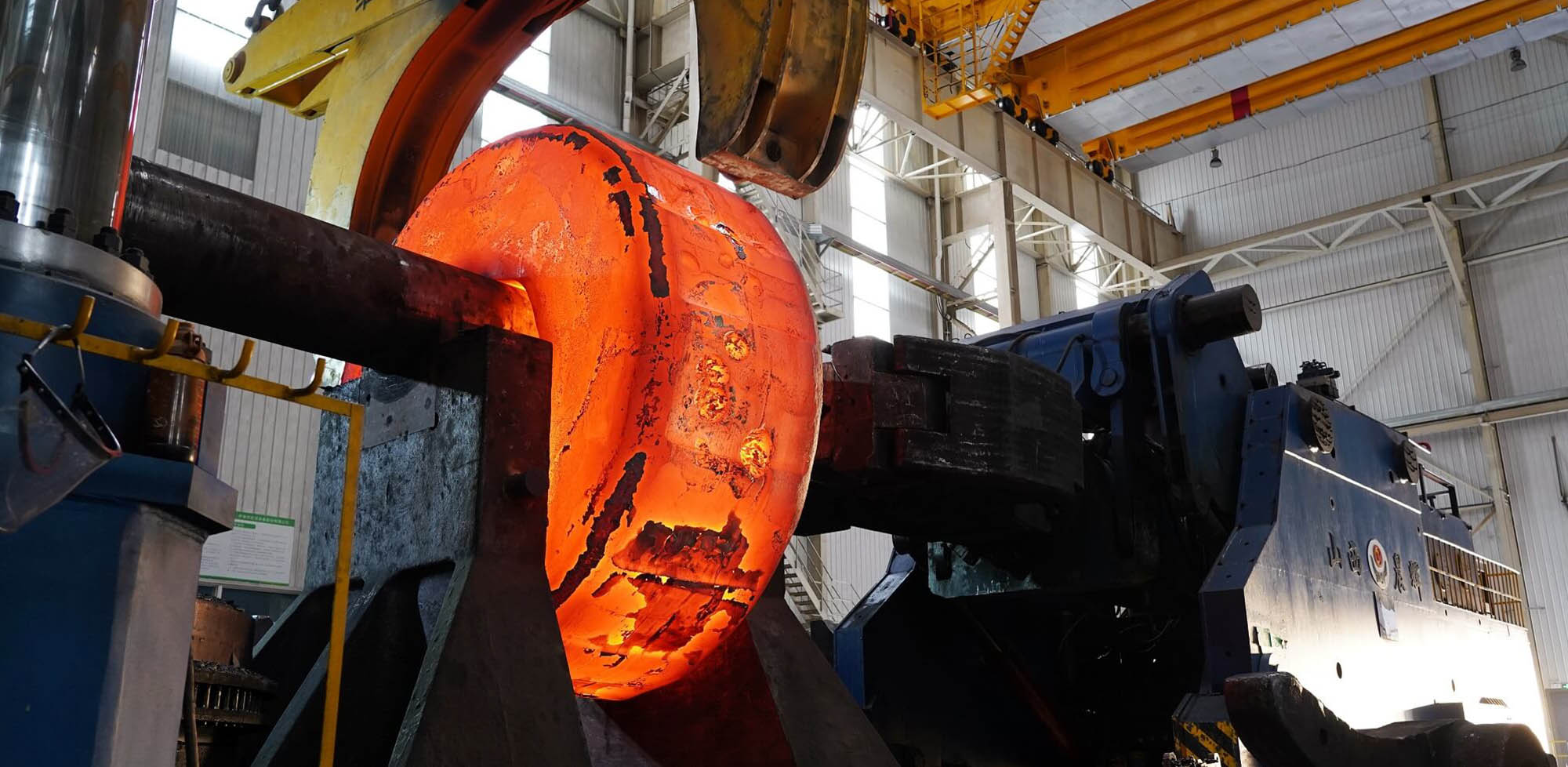
Hot forging is performed between 900°C and 1300°C, above the steel’s recrystallization temperature.
Features
· Excellent formability
· Suitable for large and complex parts
· Reduced material cracking
Applications
· Heavy machinery parts
· Shafts and gears
· Construction equipment
Hot forging is one of the most commonly used forging methods in industrial manufacturing.
3. Hardened Forged Steel
This process is usually performed between 750°C and 950°C.
Features
· Improved hardness and wear resistance
· Higher strength than standard forged steel
Applications
· Industrial tools
· Wear-resistant machinery components
· High-performance mechanical systems
Conclusion
Forged steel remains one of the most reliable materials in modern manufacturing. Thanks to its superior strength, fatigue resistance, and durability, forged steel is widely used in industries where safety and performance are critical.
Understanding the different types of forging processes and forged steel properties helps manufacturers choose the right solution for their applications.
Whether for automotive, aerospace, construction, or industrial equipment, forged steel continues to play a vital role in precision engineering and heavy-duty manufacturing.
T&B — Professional Forged Steel & Metal Manufacturing Solutions
At T&B, we specialize in high-quality forged steel components and custom metal manufacturing services for global industries.
Our capabilities include:
· Hot forging & cold forging
· Precision CNC machining
· Stainless steel and alloy steel forging
· Custom industrial components
· Surface treatment and finishing
· Prototype and mass production support
Why Choose T&B?
· Advanced forging and machining equipment
· Strict quality control standards
· Competitive pricing and fast delivery
· Experienced engineering support
· OEM & ODM manufacturing services
Whether you need custom forged steel parts, precision machined components, or industrial metal solutions, T&B provides reliable manufacturing support tailored to your project requirements.