


304 vs 316 Stainless Steel: Differences, Properties, and Best Applications (Full Comparison Guide)
When manufacturers compare 304 vs 316 stainless steel, they’re usually deciding between two of the most commonly used stainless steel grades worldwide. Both materials belong to the austenitic stainless steel family and are known for their strength, durability, corrosion resistance, and versatility. However, choosing the right grade requires understanding the key differences in chemical composition, corrosion performance, mechanical properties, and cost.
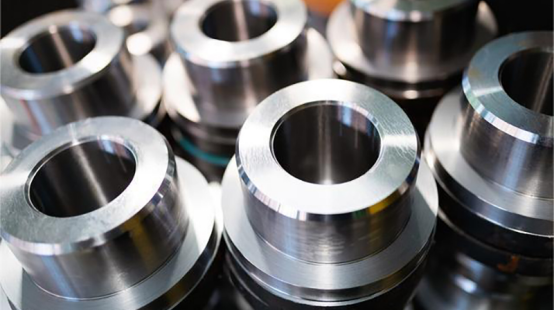
If your project involves food processing, kitchen equipment, architecture, or general fabrication, 304 stainless steel is often the most economical choice. But if your components face saltwater, chemicals, chlorides, or harsh industrial environments, then 316 stainless steel, also known as marine grade stainless steel, delivers superior long-term performance. This guide explains everything you need to know about 304 vs 316 stainless steel, including composition, corrosion resistance, mechanical performance, weldability, applications, and cost comparisons.
What Is 304 Stainless Steel? (Properties & Uses)

304 stainless steel is the most widely used stainless steel grade globally. It offers an excellent balance of affordability, workability, and corrosion resistance.
Keywords: 304 stainless steel properties, 304 stainless steel applications, 18/8 stainless steel
Key features of 304 stainless steel:
● Good general corrosion resistance
● Excellent formability and weldability
● Ideal for less demanding environments
● Cost-effective choice for mass production
Common applications:
● Kitchen appliances
● Food and beverage equipment
● Sheet metal fabrication
● Architectural components
● Household and industrial products
For general-purpose use, 304 stainless steel delivers reliable performance at a lower cost.
What Is 316 Stainless Steel? (Marine Grade Stainless Steel)

316 stainless steel contains more nickel and an additional 2–3% molybdenum, giving it much stronger resistance to chloride corrosion and harsh chemicals.
Key features of 316 stainless steel:
● Exceptional resistance to chlorides and saltwater
● Improved protection against pitting and crevice corrosion
● High durability in chemical and marine environments
● Slightly higher strength and heat resistance than 304
Common applications:
● Marine equipment
● Heat exchangers
● Chemical processing systems
● Offshore structures
● Pumps, valves, and pressure vessels
If your environment involves seawater, chemicals, or corrosive media, 316 stainless steel is the safer long-term investment.
304 vs 316 Stainless Steel: The 8 Key Differences
1. Chemical Composition (304 vs 316 Stainless Steel Composition)
304 Stainless Steel:
~18% chromium + 8% nickel (known as “18/8 stainless steel”) → Good corrosion resistance and high workability
316 Stainless Steel:
Higher nickel + 2–3% molybdenum → Stronger resistance to chlorides, acids, and chemicals
2. Physical Properties
304: Softer, easier to form and bend
316: Harder and stronger, better for heavy-duty applications
3. Mechanical Properties
304: Good strength and toughness for general environments
316: Higher tensile strength and better performance at elevated temperatures
4. Corrosion Resistance (Most Searched Topic)
Corrosion resistance is the #1 reason people compare 304 vs 316 stainless steel.
304: Good for indoor/outdoor use, but weaker against chloride-rich environments
316: Superior resistance to:
● Saltwater
● Chlorides
● Acids
● Chemical exposure
● Pitting & crevice corrosion
5. Weldability & Formability
Both grades can be welded, but:
304: Easier to weld and form
316: Requires more care but delivers stronger performance under heavy loads
6. Cost Difference
304: Lower cost, more economical for large production
316: Higher cost due to molybdenum and nickel but lower long-term maintenance in harsh environments
7. Appearance
Both offer a smooth, shiny surface with minimal visual difference.
Most decisions rely on performance, not appearance.
8. Applications: Which One Should You Choose?
304 Stainless Steel — Best for:
● Food processing equipment
● Kitchen appliances
● Sheet metal fabrication
● Architectural panels
● General industrial applications
316 Stainless Steel — Best for:
● Marine environments
● Chemical processing
● Offshore structures
● Heat exchangers
● Pressure vessels
● Highly corrosive environments
Conclusion: Should You Choose 304 or 316 Stainless Steel?
Selecting 304 vs 316 stainless steel depends on your environment and performance needs:
Choose 304 when you need an economical, versatile, and easy-to-work stainless steel for standard applications.
Choose 316 when corrosion resistance, especially against chlorides and chemicals, is critical for long-term durability.
Understanding the differences helps ensure the reliability, longevity, and efficiency of your stainless steel products.
Need Custom Stainless Steel Projects? T&B Provides Full-Service Solutions
If your project requires expert machining, welding, fabrication, or custom stainless steel components, T&B delivers high-quality solutions tailored to your needs.
What T&B Offers:
● Customized 304 & 316 stainless steel fabrication
● Advanced welding solutions (TIG, MIG, laser, robotic welding)
● Precision machining and sheet metal processing
● Engineering support for corrosion-critical applications
● Prototype & mass-production capability
● Global export service with stable quality and fast delivery
Whether you’re dealing with marine environments, chemical equipment, or general industrial parts, T&B ensures durable, efficient, and cost-effective stainless steel solutions.